
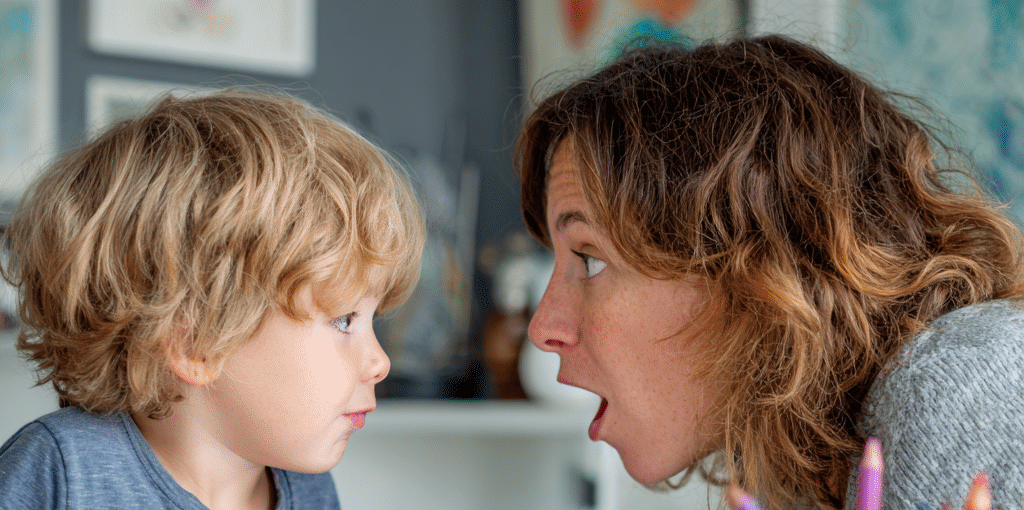
How we condition our children every day
The Power of Conditioning in Children: Jane Elliott’s Groundbreaking Classroom Experiment on Racism
Every day, whether we realise it or not, we condition our children through the words we use, the reactions we show, and the values we model. Understanding how we condition our children is therefore essential for any parent who wants to raise kind, confident, and open-minded kids. One of the most powerful examples of just how quickly this conditioning takes hold comes from teacher Jane Elliott, who ran a remarkable experiment in her third-grade classroom in the 1960s to address racism. The exercise, which took place at a school in Iowa, aimed to teach young students about discrimination and the impact of biased beliefs. As a result, it became a striking example of how easily children absorb the beliefs adults teach them.
The Blue-Eyed vs. Brown-Eyed Experiment: How We Condition Our Children Without Realising It
In the experiment, Elliott told her all-white class that she would treat students differently based on their eye colour. Specifically, blue-eyed children received preferential treatment; the best seats, longer break times, and second helpings at lunch. Furthermore, Elliott told the class that research showed blue-eyed children were more intelligent than brown-eyed children, claiming that the melanin in their eyes linked to greater intelligence.
The results were striking. For instance, the blue-eyed children, now in a position of power, began to belittle the brown-eyed children. Meanwhile, the brown-eyed students, who had previously performed well, saw their grades drop, while the blue-eyed students began to excel. Clearly, the children had absorbed the idea that eye colour made them superior or inferior.
The Reversal: How We Condition Our Children to Change Their Behaviour
Elliott then flipped the exercise, telling the children that the earlier claims were false and that brown-eyed children were actually the “superior” group. Consequently, the change was dramatic. The previously confident blue-eyed children lost their spark and performed worse, while the brown-eyed children thrived. Moreover, the hostility between the groups faded quickly once the children understood that the biases they had believed were simply untrue.
The Impact of Conditioning on Children’s Beliefs and Behaviour
This experiment shows the powerful influence adults have over children’s beliefs and actions. In particular, Elliott’s exercise reveals just how easily children take on messages, whether positive or negative. If we consistently tell children that they are smart, capable, or kind, they are likely to believe it. However, if we send negative messages, whether on purpose or not, those messages can shape how children see themselves and others.
The Role of Parents in Conditioning Children’s Values
Conditioning is not inherently bad. In fact, it can be a powerful tool for positive growth. For example, parents can condition their children to be kind, creative, helpful, and strong. Nevertheless, we must stay mindful of the messages we send. Children are highly impressionable, and as a result, their young minds constantly soak up information from the world around them. What we say to them in passing or with intent, therefore, leaves a lasting mark.
How Everyday Words Condition Our Children and Shape Who They Become
The words we use every day matter more than we often realise. For instance, a throwaway comment at the dinner table, a reaction to someone who looks different, or the way we speak about people from other backgrounds. Children notice all of it. Consequently, as parents, teachers, and caregivers, we carry a real responsibility in shaping the next generation. When we build an environment of empathy, understanding, and encouragement, we therefore help children grow into kind, confident people. In short, understanding how we condition our children every day is the first step towards doing it more intentionally.
Conclusion: The Power of Words in Shaping a Child’s Future
The lesson from Jane Elliott’s experiment is clear: conditioning is a powerful tool, and we must use it with care. Above all, when we offer positive reinforcement and encourage healthy beliefs, we give our children the best chance to reach their full potential. In addition, it is worth remembering that those little ears are always listening. What we say today can, ultimately, shape who they become tomorrow.
There are times when we are lost in our lives, our problems and do not realise what message with pass on. I am guilty of this often. We should not become obsessed with what we say or don’t say, but if we are mindful of our words, then we do already a lot. I have many times apologised to my children for things I have done or said. After all, we are all human.
You can read more about Jane Elliott’s fascinating experiment at the Lowell Milken Center for Unsung Heroes.
Why not check out my blog: How to raise Inclusive Children.
The blog is written by me.
AI is used only as an editing assistant.