
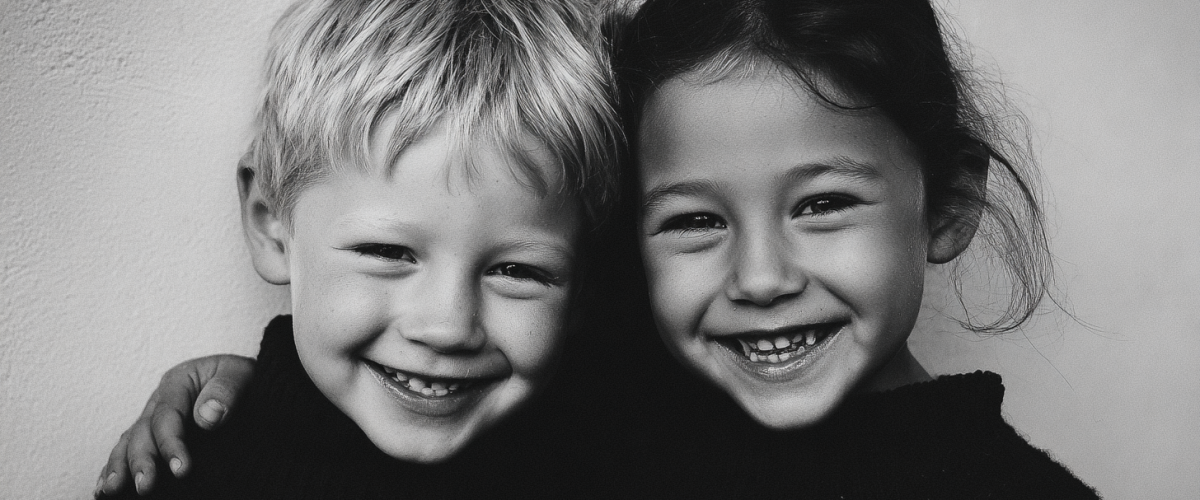
Your child is always watching: How everyday parenting shapes a lifetime
Children absorb the world around them in ways that often surprise us. They are like sponges, soaking up everything they see, hear, and experience. Every word we speak, every action we take, and every reaction we show is quietly observed and copied by our children—day after day.
Whether we realise it or not, parents are a child’s first and most powerful teachers.
Children Learn by Watching, Not by Being Told
A child’s brain can be compared to a computer waiting to be programmed. The essential systems are already in place—breathing, heartbeat, circulation, and countless other automatic processes work perfectly without conscious effort. Much like a computer that can power on straight out of the box, a child is biologically prepared for life.
What shapes that life is what gets downloaded into the subconscious mind.
Children do not learn primarily through instruction; they learn through observation. They copy tone, behavior, emotional responses, and relationship patterns long before they understand words or rules.
The Subconscious Mind: Where Lifelong Habits Begin
The information children absorb is stored in their subconscious mind. This is what allows humans to function efficiently. Imagine having to consciously think about every step when walking or every movement while driving a car. Instead, repeated actions become automatic.
Many adults have experienced arriving somewhere without actively remembering the journey. The subconscious mind was on autopilot, following a familiar path learned through repetition.
In the first two years of life, children function almost entirely from the subconscious mind. They do not analyze or judge what they see—they simply absorb it. This is why young children can learn multiple languages at the same time with ease. They are not limited by self-doubt, fear, or beliefs about what is “possible.”
Those limitations are learned later.
Children Copy Both Strengths and Struggles
As children grow, they absorb not only positive behaviors but negative ones as well. Communication styles, emotional reactions, self-worth, and beliefs about relationships are all learned at home.
Babies are born with only two natural fears: loud noises and falling. Every other fear is learned. Fear can be protective, but it can also become a barrier—preventing children and adults from trying new things, speaking up, or believing in themselves.
A Powerful Example of Learned Behavior
Consider a couple, Sally and Jim, who frequently argue. Sally often speaks to her husband with disrespect and calls him names. Over time, their son Peter begins treating his father the same way—disrespectfully and without kindness.
Peter is not being “difficult” or “disobedient.” He is simply copying what he sees.
This is how deeply parental behavior influences children. Children mirror relationships before they understand them. We send them a silent message every day.
Our children are always watching:
How we speak to our partner
How we manage stress
How we respond to conflict
How we treat ourselves
These moments shape their emotional world far more than lectures or discipline ever could.
Be the Example You Want Your Child to Become
Parenting is not about being perfect. It’s about being aware. When we choose patience over anger, respect over criticism, and kindness over control, we give our children tools they will carry for life.
Every interaction matters. Every day matters.
Because long after children forget what we said, they will remember how we lived.